Support
Support runs through direct engagement with the Munich team, with partners describing prompt and professional handling of questions during projects. No public help centre, ticket portal or documentation site is listed.
Learn moreVision AI that reads crowd emotion, attention and people flow
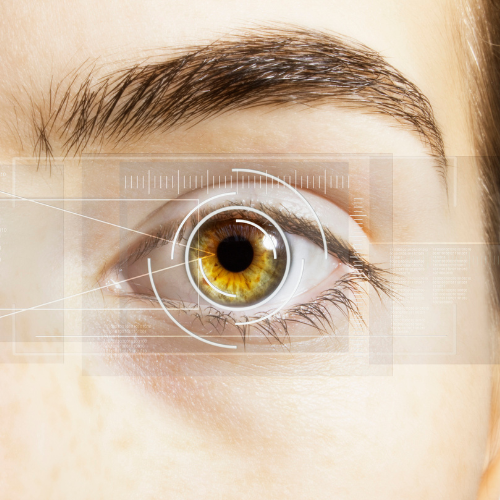
TAWNY is German Vision AI software that analyzes human behavior from any camera feed, combining people flow, emotion and attention data at group and individual level, with GDPR-compliant processing and patented models built on proprietary data since 2017.
TAWNY is a Munich-based Vision AI company that turns ordinary camera footage into human behavior analytics. Its models analyze people flow, emotional expression and attention in parallel, working at both the group level (an audience, a queue, a store aisle) and the individual level. The input can be anything from a live feed on a high-resolution industrial camera to a simple webcam or an existing recorded video file, so deployments do not require a dedicated capture rig. The company has been building proprietary datasets since 2017 and reports that its technology is patented, with high-precision models trained on that data. Because all processing is designed around GDPR standards and the firm is German, the privacy posture is positioned as a core product attribute rather than an afterthought. That matters for buyers in Europe who need to justify sentiment or attention measurement to a data protection officer. In practice, TAWNY fits research and measurement workflows where behavioral data supplements what people say. Agencies and insights teams use it for facial coding and ad or content response testing, event organizers use it to understand audience engagement, and industry partners embed it in their own analytics platforms. The homepage names Deutsche Bahn, Siemens, Fraunhofer, GfK, SAP, Telekom, Red Bull, FC Bayern Basketball and several universities among partners and clients, and quotes partners describing joint work on event analytics and advertising research. Competitively, TAWNY sits apart from survey-only research tools and from generic people-counting software: the pitch is affective and attention data combined with movement data, delivered through off-the-shelf or custom-built solutions tested with established partners. It is not a self-serve consumer app. Expect a scoped engagement, and expect to bring your own cameras or video archive.
Support runs through direct engagement with the Munich team, with partners describing prompt and professional handling of questions during projects. No public help centre, ticket portal or documentation site is listed.
Learn moreCore capabilities are real-time analysis of people flow, emotional expression and attention from live or recorded video, working on both group and individual levels. The models accept input from industrial camera systems, webcams or existing video files, run on patented algorithms built from proprietary datasets collected since 2017, and follow GDPR standards. Solutions are offered off the shelf or customized per industry, including embedding into partner analytics platforms.
Learn more AI Angels400+ customizable AI girlfriends for NSFW chat, voice calls, and roleplay
 Candy AIExperience the future of companionship with AI friends who chat, role-play, and connect with you on a human level.
 ourdream.aiA vast AI roleplay platform with millions of characters for chat, images, video and voiceAI Angels400+ customizable AI girlfriends for NSFW chat, voice calls, and roleplayCandy AIExperience the future of companionship with AI friends who chat, role-play, and connect with you on a human level.ourdream.aiA vast AI roleplay platform with millions of characters for chat, images, video and voice