Support
A Contact Us page and a newsletter signup are available. No help centre, documentation portal or support tiers are described on the homepage.
Learn moreAttention-as-a-Service powered by on-device AI for personalized phone experiences

Cosmose is a lead generation tool. Cosmose AI offers Attention-as-a-Service through MindMentor, an on-device engine that personalizes lock screens and other phone touchpoints. Integrated by ten phone producers covering 1.5 billion devices, it targets brands and device makers rather than self-serve users.
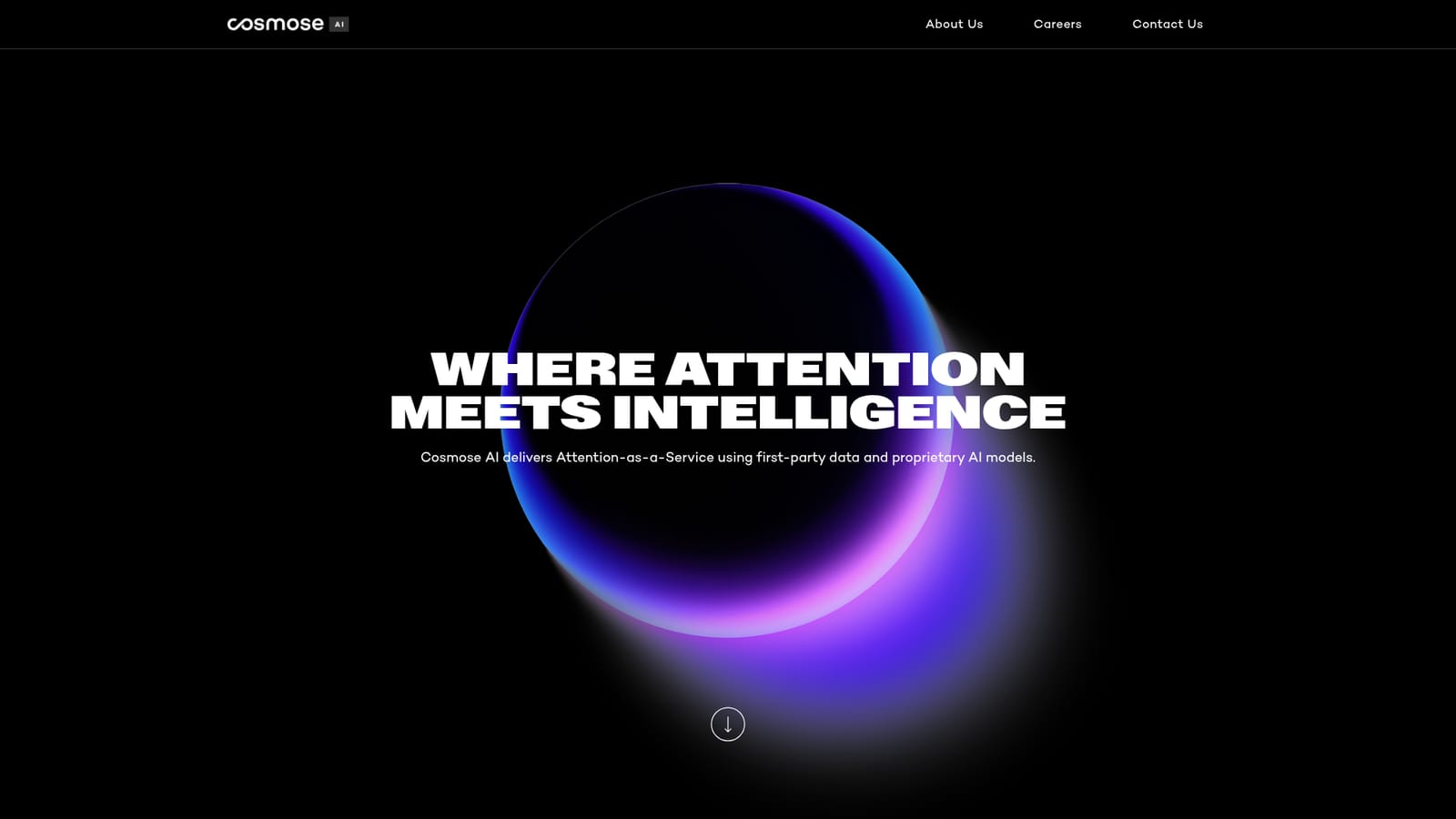
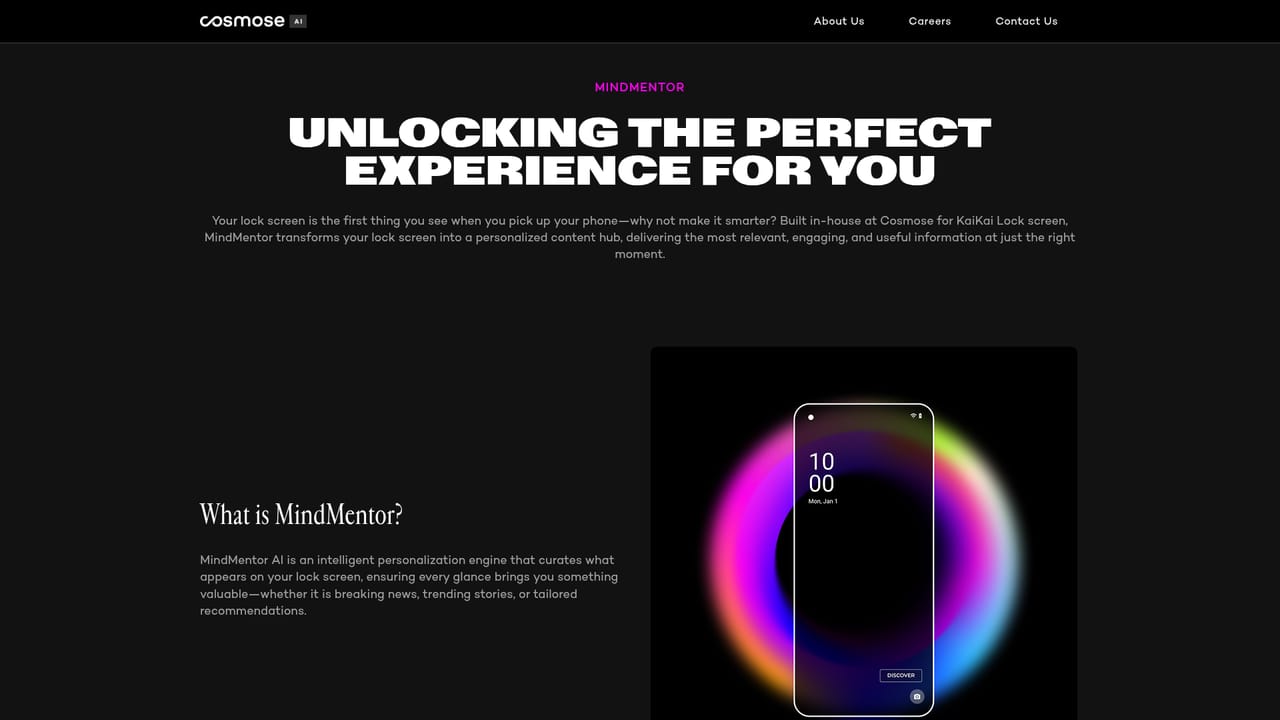
Cosmose AI is a product personalization platform built around what the company calls Attention-as-a-Service. Its core product, MindMentor, is an attention engine that makes smartphones smarter by placing personalized experiences on the lock screen and other high value touchpoints. Rather than treating personalization as a website or app feature, Cosmose positions it as something that lives at the operating layer of the phone itself, where users look most often. The technical differentiator is on-device processing. Cosmose states that its attention engine runs complex computations locally on the handset, so the experience stays fast and user data never leaves the device. That architecture matters for consumer facing brands and phone makers who need personalization without shipping sensitive behavioral data to a remote server. The company describes its reach as integration with ten phone producers representing 1.5 billion smartphones globally, including Xiaomi, Oppo, Realme, Redmi, Infinix, OnePlus, Tecno, Poco, Vivo and Honor. In practice, Cosmose is not a self-serve tool for small teams. It reads as an enterprise and partnership business aimed at device manufacturers, retailers and consumer brands that want to influence shopping behavior at the moment of attention. The company lists clients and partners such as LVMH, Kering, L'Oreal, Richemont, Burberry, Unilever, Sony, Netflix and Nivea, which points to a client base of large consumer organizations rather than individual developers. The homepage describes the platform as understanding, predicting and influencing how one billion people shop offline, framing personalization as a route to offline commerce outcomes. Where it fits among alternatives: most personalization products optimize digital surfaces like web storefronts or app feeds. Cosmose works one layer lower, on the phone's own touchpoints, and competes less with typical marketing personalization suites than with other attention and lock screen channels. Buyers evaluating it should expect a partnership style engagement, device level distribution and privacy as a selling point, with limited public detail on self-serve onboarding or published price tiers.
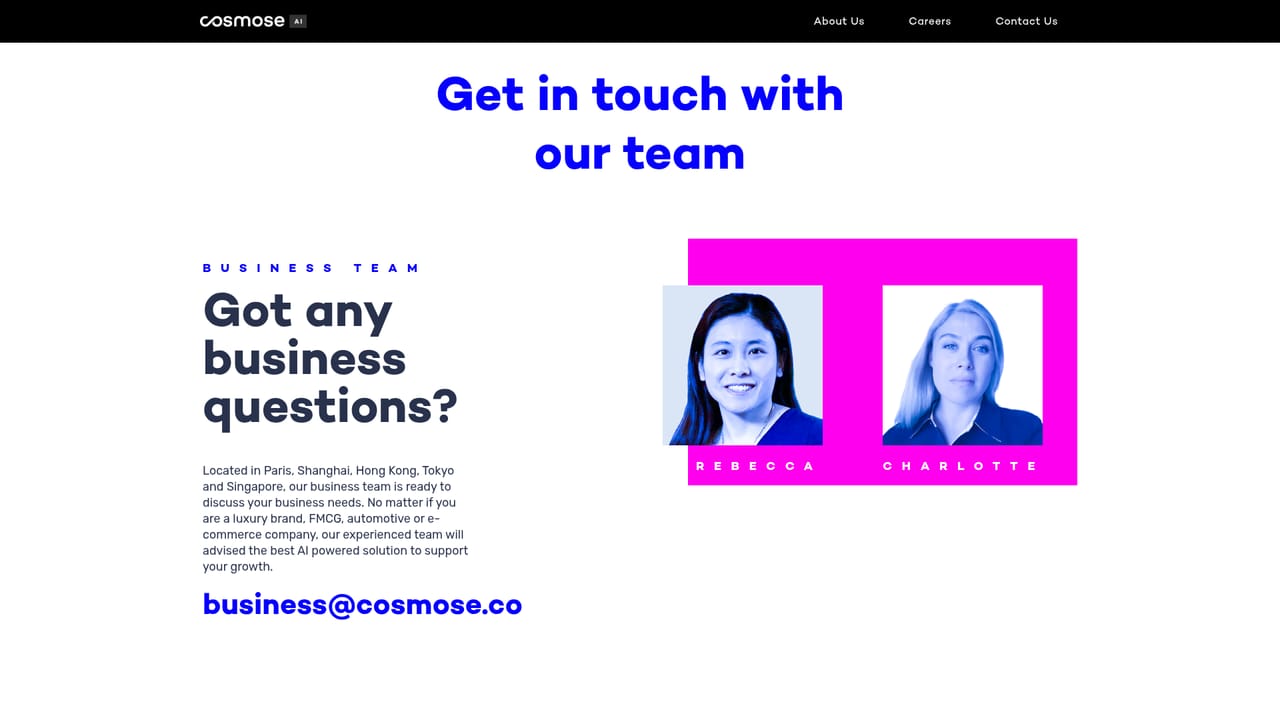
A Contact Us page and a newsletter signup are available. No help centre, documentation portal or support tiers are described on the homepage.
Learn moreIntegrated by ten phone producers representing about 1.5 billion smartphones: Xiaomi, Oppo, Realme, Redmi, Infinix, OnePlus, Tecno, Poco, Vivo and Honor.
MindMentor, the proprietary attention engine, delivers personalized experiences on the lock screen and other valuable phone touchpoints. All computation runs on-device, so user data never leaves the phone. The platform is presented as Attention-as-a-Service, built on first-party data and proprietary AI models, and is positioned to understand, predict and influence offline shopping behavior at scale.
Learn more AI Angels400+ customizable AI girlfriends for NSFW chat, voice calls, and roleplay
 Candy AIExperience the future of companionship with AI friends who chat, role-play, and connect with you on a human level.
 ourdream.aiA vast AI roleplay platform with millions of characters for chat, images, video and voiceAI Angels400+ customizable AI girlfriends for NSFW chat, voice calls, and roleplayCandy AIExperience the future of companionship with AI friends who chat, role-play, and connect with you on a human level.ourdream.aiA vast AI roleplay platform with millions of characters for chat, images, video and voice


