Pricing
The homepage does not list prices. It states that Fitbod is now covered by HSA and FSA accounts and points to an eligibility check.
Learn moreStrength training plans that adapt to your gear, recovery and logged progress
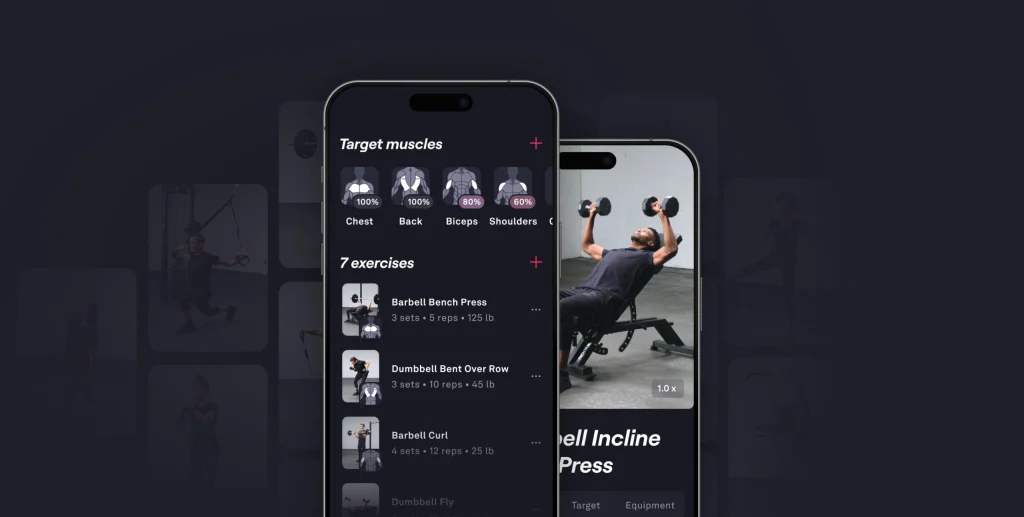
Fitbod is a strength-training app that builds personalized workouts from goals, equipment and schedule, then adjusts them using logged performance and muscle recovery. It runs on iOS and Android and targets lifters from beginners to powerlifters.
Fitbod is a mobile app built only for resistance and strength training. It generates workouts from a user's goals, fitness level, available equipment and schedule, then reshapes later sessions as the user logs sets, reps and weights. The aim is to remove the planning work that usually sits behind a lifting routine, so the person can simply open the app and train. The core of the product is a proprietary algorithm that reads logged workout data. It applies progressive overload, suggests weights, reps and sets, and tracks recovery so that each session targets muscles that are ready to be worked again. Equipment settings can be changed freely, which lets the same account cover a full gym, a hotel room, or a home setup with only bodyweight or resistance bands. Exercise demos and form cues are included, which helps newer lifters who would otherwise be guessing at technique. The app is mostly weight and bodyweight work, though it can add short conditioning movements, stretches and light warm-ups such as walking or stationary cycling, depending on settings. Fitbod positions itself for all experience levels. The company describes a strong following among intermediate and advanced lifters, including powerlifters, while also arguing that guided weights and demos suit beginners. It is distributed through Android and iOS, and the site reports a 4.8 rating, more than 15 million downloads and over 120 million logged workouts. The site also offers a strength tester, a blog covering training, nutrition and cardio, a shop, a business offering, and a note that the subscription is covered by HSA and FSA accounts. Among alternatives, Fitbod sits between fixed program apps, where the user follows a prewritten plan, and manual loggers, where the user builds everything alone. It trades the structure of a coach-designed program for automated adjustment. People who want running, cycling or broad cardio coaching will find it narrow, but lifters who want a plan that updates itself from their own history will find the focus useful.
The homepage does not list prices. It states that Fitbod is now covered by HSA and FSA accounts and points to an eligibility check.
Learn moreA help center, contact request form and FAQs page are linked from the site, along with a blog and customer stories.
Learn morePersonalized strength plans, progressive overload, smart performance tracking, muscle recovery monitoring, equipment and schedule customization, exercise demos with form cues, and a Strength Tester tool.
 AI Angels400+ customizable AI girlfriends for NSFW chat, voice calls, and roleplay
 Candy AIExperience the future of companionship with AI friends who chat, role-play, and connect with you on a human level.
 ourdream.aiA vast AI roleplay platform with millions of characters for chat, images, video and voiceAI Angels400+ customizable AI girlfriends for NSFW chat, voice calls, and roleplayCandy AIExperience the future of companionship with AI friends who chat, role-play, and connect with you on a human level.ourdream.aiA vast AI roleplay platform with millions of characters for chat, images, video and voice