What text evidence finders do
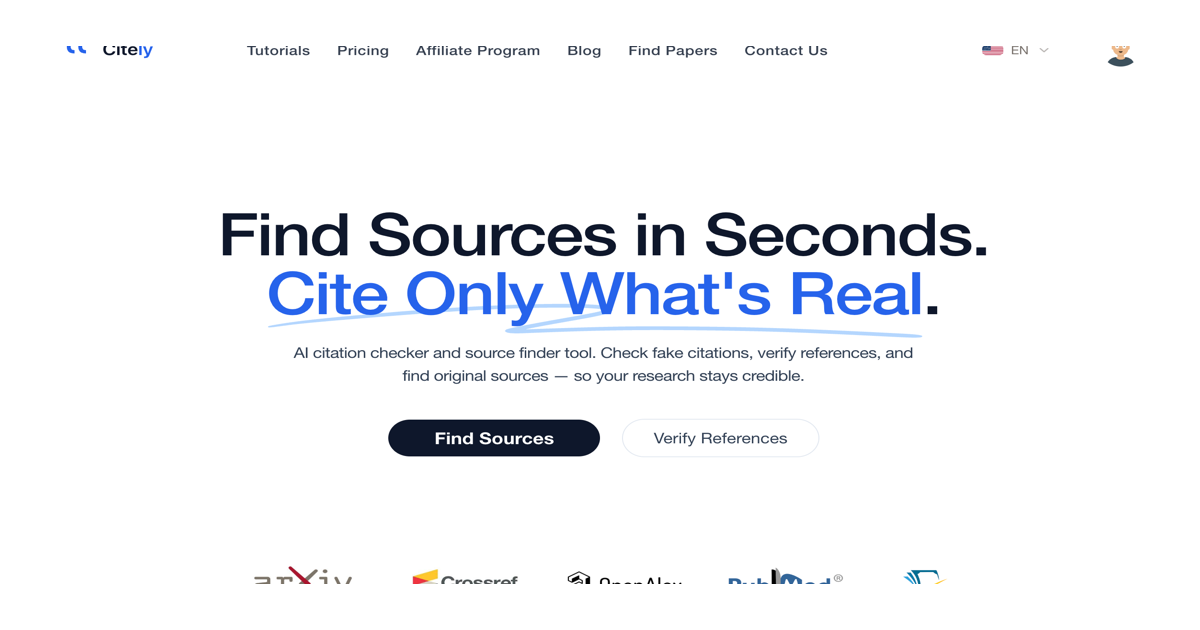
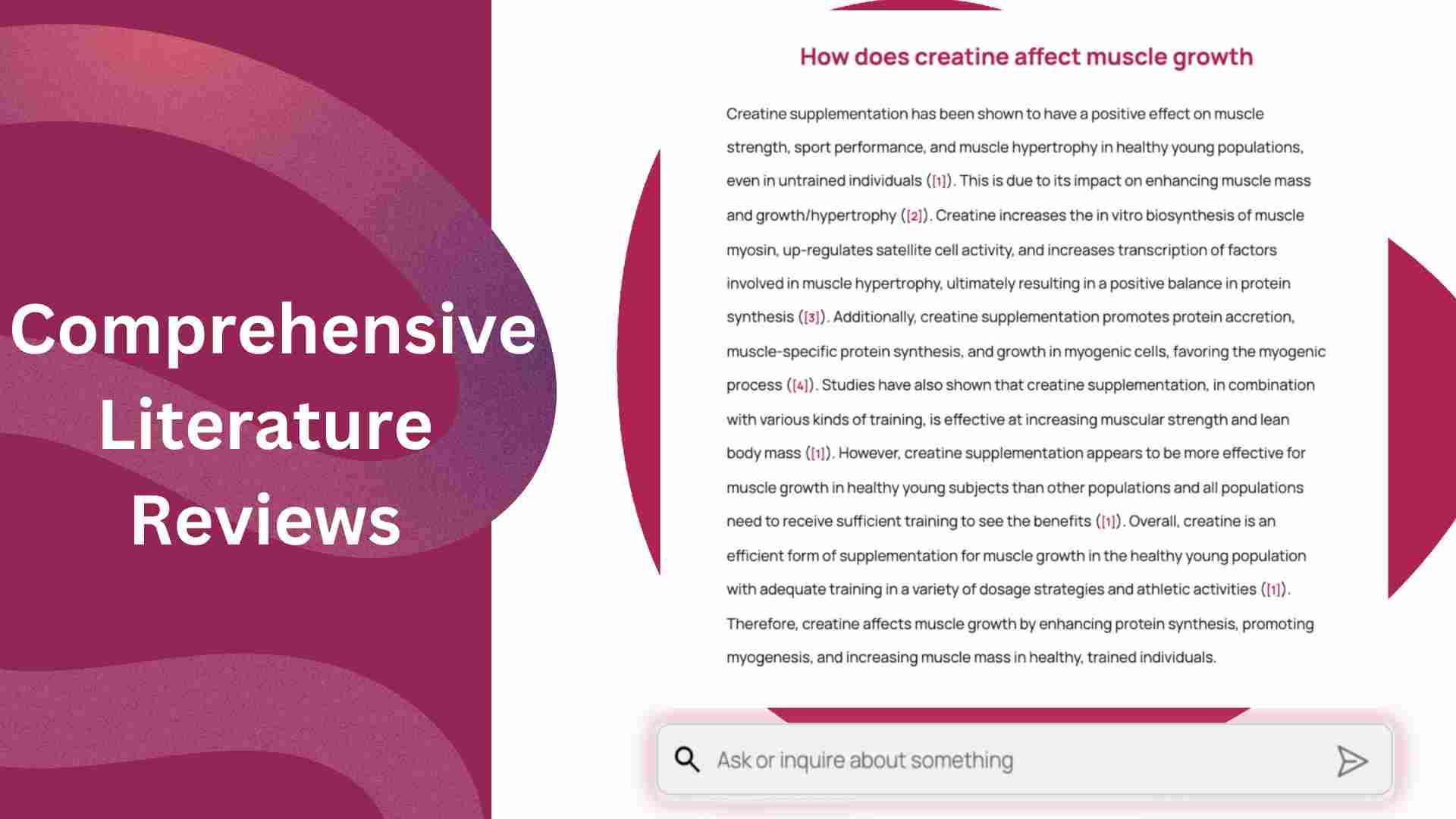
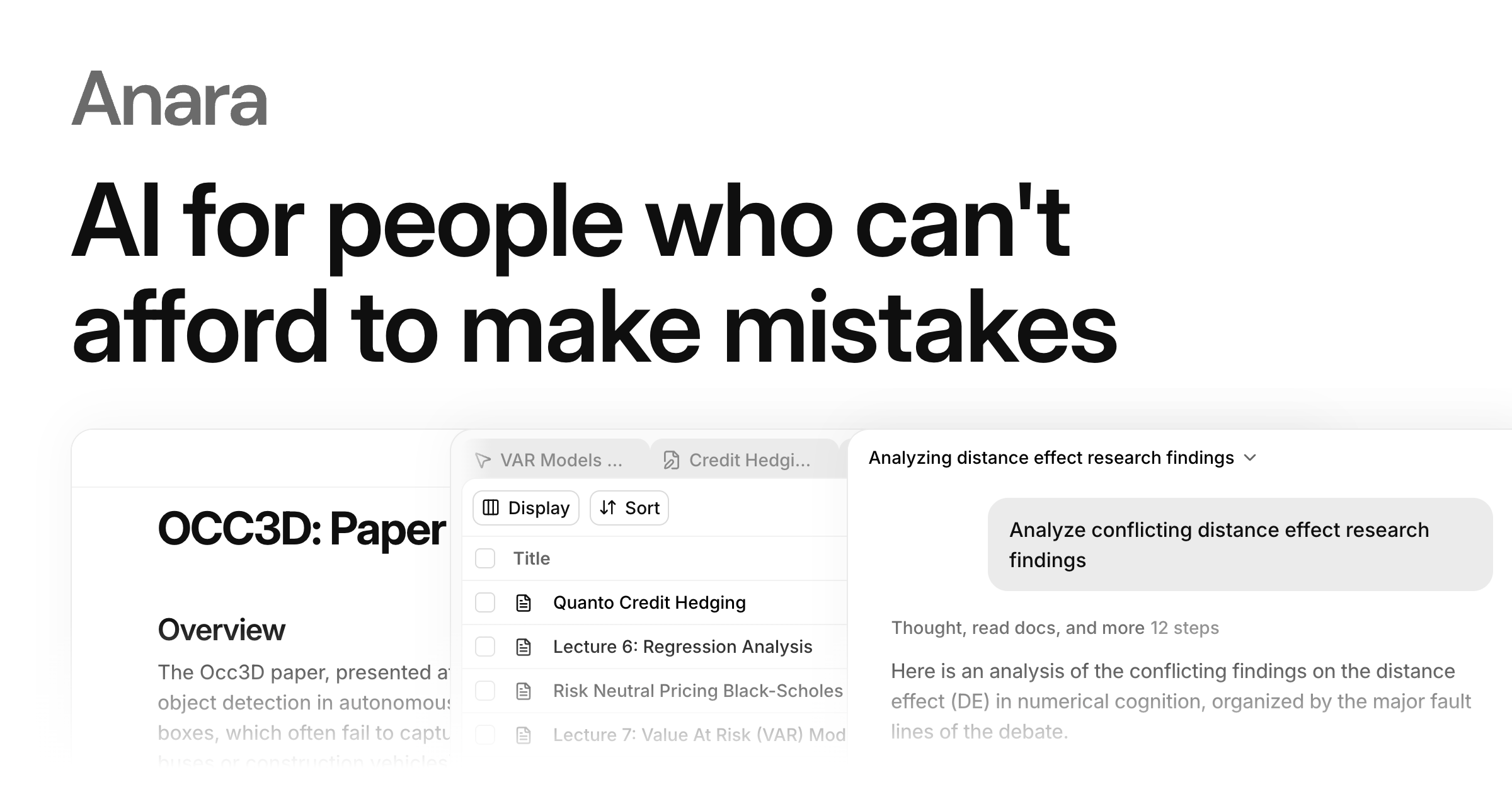
An evidence finder takes a claim, a question or a pile of documents and returns the text that backs it up, with a pointer to where it came from. Some tools search scholarly papers, some check a statement against sources, and some work only inside files the user supplies. The common thread is that the answer arrives with a citation attached, so it can be checked instead of trusted.
These tools suit students, academics, clinicians, journalists, analysts and anyone who has to justify a statement. They replace a slow routine: running keyword searches, opening a dozen tabs, skimming PDFs for the one useful paragraph and copying references by hand.
How to choose an evidence finder
Start with where the evidence lives. If it sits in published research, look for tools grounded in scholarly papers. If it sits in your own files, pick one built around uploaded documents or PDFs. If the claim comes from a link, a screenshot or a video, a fact checker for that kind of material fits better.
Then consider the work around the search:
- Citation depth: some tools cite at the page level of a single paper, others cite across hundreds of sources.
- Confidentiality: professionals handling private files should check whether a tool is designed for sensitive material.
- Domain: clinical questions, academic writing and general fact-checking each have specialised options.
- Platform: web apps suit long sessions, while mobile apps and browser extensions suit checking things as they appear.
- Pricing: several tools offer a free tier or trial, which is enough to test with a real question before committing.
Notable tools
Scite answers research questions with responses grounded in scholarly papers, and offers a free trial. Check AI Claims is free and turns a public AI claim into evidence requests and vendor questions, which suits buyers evaluating marketing statements.
RxBulb gives cited clinical answers drawn from peer-reviewed papers and FDA drug data. Findsight searches non-fiction by claim rather than keyword and lets readers compare how different authors argue the same idea.
Lucid is a mobile fact checker for links, screenshots and videos, available on iOS and Android. Otio is a research workspace for hundreds of sources with cited answers, available on the web, iOS, Android and as a browser extension.
Common questions
What is an evidence finder?
An evidence finder is software that locates supporting or contradicting material for a claim and shows where it found it. Most pair a written answer with citations to papers, documents or web pages, so the reader can verify each point.
What is a text evidence finder?
The term usually means a tool that works on written sources: articles, papers, books and PDFs. Rather than returning a list of links, it pulls the relevant passages and ties them to the claim or question being asked.
Can these tools replace reading the sources?
They shorten the search, not the judgment. A cited answer points to where the evidence is, but the passage still needs to be read in context before it is relied on.
When to look elsewhere
For broader literature searching and paper discovery, the Academic Research category is a closer match. For general questions that do not need a documented source trail, Question Answering covers tools built for direct answers. If the evidence is a picture rather than text, Reverse Image Search is the better starting point.